




Verzending 24–48 u • Levering in de hele EU • Veilige chemieverpakking
Antimony(V) chloride 99% 250 g
SKU 000447
€ 147,15
In stock
1
Save this product for later
Antimony(V) chloride 99% 250 g
Product Details
CAS number: 7647-18-9
Chemical formulas: SbCl5/ F.W. 299.02/ m.p. 2/ b.p. 140
Cation: Sb
Packaging: 250 g
EAN: 8721028214003
Brand: Laboratoriumdiscounter
Antimony(V) chloride is a highly reactive chemical compound used in various industrial applications. With its unique properties, it serves as a catalyst in organic synthesis and as a precursor for manufacturing flame retardants. This versatile compound plays a crucial role in the production of semiconductors and optical devices. Explore the diverse uses and significance of Antimony(V) chloride in modern industries.
When working with Antimony(V) chloride, it is important to follow safety precautions to minimize the risk of accidents or exposure. Here are some short safety instructions to consider: 1. Personal Protective Equipment (PPE): Always wear appropriate PPE, including gloves, safety goggles, and a lab coat or protective clothing. This will help protect your skin, eyes, and clothing from potential contact with Antimony(V) chloride. 2. Ventilation: Work in a well-ventilated area or use a fume hood to prevent the buildup of fumes or vapors. Antimony(V) chloride can release toxic fumes when heated or exposed to moisture, so proper ventilation is crucial. 3. Handling: Handle Antimony(V) chloride with care, as it is a corrosive and toxic substance. Avoid direct contact with the skin or eyes. If any contact occurs, immediately rinse the affected area with plenty of water and seek medical attention if necessary. 4. Storage: Store Antimony(V) chloride in a tightly sealed container, away from incompatible substances. Keep it in a cool, dry place, and ensure it is properly labeled to prevent accidental exposure or misuse. 5. Spills and leaks: In case of spills or leaks, contain the area and prevent the substance from spreading. Use appropriate absorbent materials to clean up the spill, and dispose of the waste according to local regulations. 6. Fire safety: Antimony(V) chloride is not flammable, but it can release toxic fumes when exposed to heat or fire. Keep it away from open flames or ignition sources. 7. Emergency procedures: Familiarize yourself with the emergency procedures and safety protocols in your workplace. Know the location of safety showers, eyewash stations, fire extinguishers, and emergency exits. 8. Training: Ensure that you have received proper training on the safe handling and use of Antimony(V) chloride. If you are unsure about any aspect of working with this substance, seek guidance from a supervisor or a qualified professional. Remember, these instructions are not exhaustive, and it is essential to consult the specific safety data sheet (SDS) and follow the guidelines provided by the manufacturer or your organization.
Please note, not all safety data for this product is available on our website, for a complete list of P en H sentences and other safety instructions please request the MSDS at our customer service
You May Also Like
Sold out
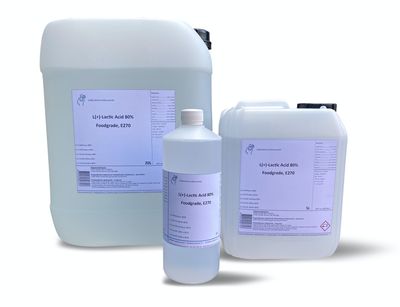
(+)-Lactic acid 80%, food grade, E270 20 Liter
(+)-Lactic acid 80%, food grade, E270 20 Liter
SKU LCT94.3
€ 190,10
Out of stock
End user declaration required
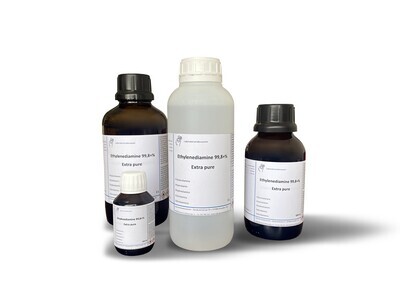
Ethylenediamine 99.8 +% Extra pure 1 Liter in glazen fles
Ethylenediamine 99.8 +% Extra pure 1 Liter in glazen fles
Only for registered companies
SKU EDA231.4
€ 22,58
Sold out

Benzylbenzoate 99+%, pure 500 Milliliter
Benzylbenzoate 99+%, pure 500 Milliliter
SKU BB9031.1
€ 20,79
Out of stock
End user declaration required
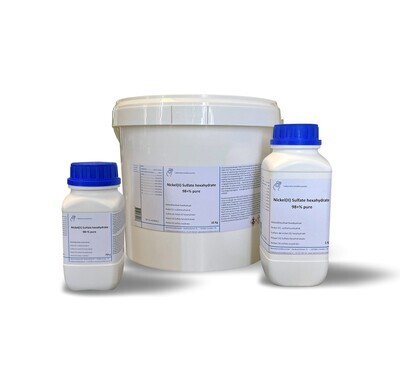
Nickel (II) sulfate 98 +% pure 10 Kilogram
Nickel (II) sulfate 98 +% pure 10 Kilogram
Only for registered companies
SKU NIS7834.3
€ 252,21
End user declaration required
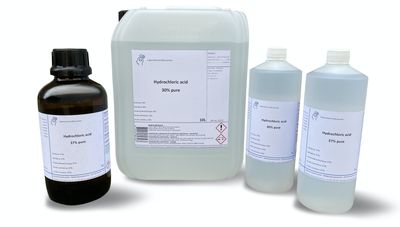
Hydrochloric acid 1 Liter HDPE fles 37% puur
Hydrochloric acid 1 Liter HDPE fles 37% puur
Only for registered companies
SKU Z0340.1
€ 14,82
Display prices in:EUR