

Verzending 24–48 u • Levering in de hele EU • Veilige chemieverpakking
Glycogen, 10 g, plastic
SKU HP51.3
€ 235,83
In stock
1
Save this product for later
Glycogen, 10 g, plastic
Product Details
P-phrases: P210 P233 P305+P351+P338
H-phrases: H225-H319
CAS number: 64-17-5
Chemical formulas: C2H6O
Hazard class: 3 II
HS code: 29400000
Brand: Carl Roth
Glycogen, lyophilised, from oysters, CAS No. [9005-79-2], EG-Nr. 232-683-8
Glycogen lyophilized, made of oysters
Glycogen type 2.
Long-chain polysaccharide made of glucose. Most frequently used in biochemistry and as “carrier” during precipitation of nucleic acids. Recovery of precipitated DNA is significantly enhanced by addition of 50 µg/ml glycogen; even starting from solutions with very low DNA concentrations, efficient precipitation can be performed.
Contains no nucleic acid and doesn't hinder enzymatic downstream applications.
Glycogen contains a central protein and should not be applied if DNA is to be used in protein binding-assays following precipitation. In these cases we recommend to use our glycogen-free coprecipitants.
Sugar (Carbohydrates)
Carbohydrates or Saccharides make up 50 % of the dry biomass of the earth and are therefore the most frequent class of biomolecules. Besides at least two hydroxy groups, they also have an aldehyde or a ketone group and can be subdivided according to the number of monomeric components in mono-, di-, oligo and polysaccharides.
Whereas mono-, di- and oligosaccharides are soluble in water, taste sweet and are therefore called as sugar, polysaccharides are hardly, or not at all, soluble in water and have a neutral taste.
Carbohydrates, together with fats and proteins make up a large percentage of nutrition. In addition to their central role as an energy source, they are also an important structural component especially in plants (e.g. Cellulose). Ribose, a monosaccaride with five carbons (C5H10O5) is an essential element of coenzymes (such as ATP, FAD and NAD) and a structural component of RNA. Desoxyribose (a ribose derivative) is a structural component of DNA.
Oligo- and polysaccharides
Oligosaccharides consist of three to nine monosaccharide units.
Polysaccharides are macromolecular substances that consist of ≥10 monosaccharide units. A distinction is made between homoglycans, which are made up of only one type of monosaccharides (e.g. starch) and heteroglycans, which consist of at least two different monomeric components (e.g. xanthan).
| Appearance | bright powder |
| Origin | oysters |
| Solubility (0,25 %, 1 M NaCl) | complies |
| Loss on drying | ≤15 % |
| Specific rotation [α]20D | +170° to 200° |
You May Also Like
End user declaration required
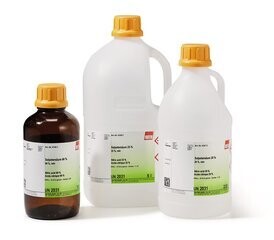
Nitric acid 20%, pure, 5 l, plastic packaging.
Nitric acid 20%, pure, 5 l, plastic packaging.
Only for registered companies
SKU 4337.3
€ 52,38
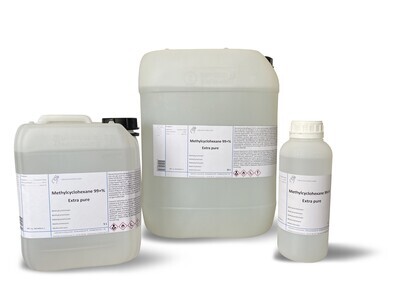
Methylcyclohexane 99+% Extra Pure 25 Liter
Methylcyclohexane 99+% Extra Pure 25 Liter
SKU MCH9834.3
€ 219,50
End user declaration required
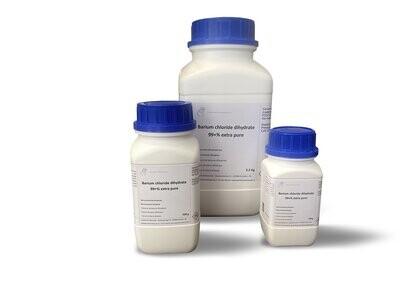
Barium chloride dihydrate 99+% extra pure 2.5 Kilogram
Barium chloride dihydrate 99+% extra pure 2.5 Kilogram
Only for registered companies
SKU BAC9345.4
€ 73,13
End user declaration required
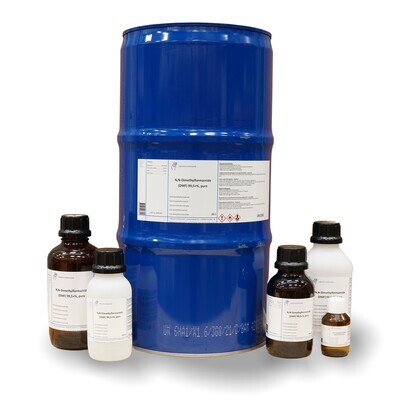
Dimethylformamide (DMF) 99.5 +%, pure 1 Liter Verpakking HDPE
Dimethylformamide (DMF) 99.5 +%, pure 1 Liter Verpakking HDPE
Only for registered companies
SKU DMF34.1
€ 12,50
Display prices in:EUR