Verzending 24–48 u • Levering in de hele EU • Veilige chemieverpakking
Potassium thiocyanate/ ACS 99+% 250 g
SKU 006546
€ 56,43
In stock
1
Save this product for later
Potassium thiocyanate/ ACS 99+% 250 g
Product Details
CAS number: 333-20-0
Chemical formulas: KSCN/ F.W. 97.18/ m.p. 175
Cation: K
Packaging: 250 g
EAN: 8721028244574
Brand: Laboratoriumdiscounter
Potassium thiocyanate/ ACS is a chemical compound used in various industrial applications and laboratory settings. It is known for its high purity and quality, making it a reliable choice for research and production needs.
When working with Potassium thiocyanate/ ACS, it is important to follow these safety instructions: 1. Personal Protective Equipment (PPE): Always wear appropriate PPE, including gloves, safety goggles, and a lab coat or protective clothing, to protect your skin, eyes, and clothing from potential contact with the chemical. 2. Ventilation: Work in a well-ventilated area or use a fume hood to prevent the inhalation of any fumes or vapors that may be released during handling or mixing of the chemical. 3. Handling: Handle Potassium thiocyanate/ ACS with care, avoiding any direct contact with your skin or eyes. In case of accidental contact, immediately rinse the affected area with plenty of water for at least 15 minutes and seek medical attention if necessary. 4. Storage: Store Potassium thiocyanate/ ACS in a cool, dry, and well-ventilated area, away from incompatible substances. Keep the container tightly closed when not in use to prevent moisture absorption or accidental spills. 5. Spills and Cleanup: In case of a spill, carefully contain and clean up the material using appropriate absorbent materials. Avoid generating dust or aerosols during cleanup. Dispose of the waste according to local regulations. 6. Fire Safety: Potassium thiocyanate/ ACS is not flammable, but it may release toxic fumes when exposed to high temperatures or fire. In case of a fire, use appropriate extinguishing agents suitable for the surrounding materials. 7. Chemical Incompatibilities: Avoid contact or mixing Potassium thiocyanate/ ACS with strong oxidizing agents, acids, or other incompatible substances, as it may result in hazardous reactions or releases of toxic gases. 8. First Aid: Familiarize yourself with the appropriate first aid measures in case of accidental exposure or ingestion. Have access to emergency eyewash stations, safety showers, and a first aid kit in the vicinity. 9. Handling and Disposal: Follow proper handling and disposal procedures as per local regulations. Do not release Potassium thiocyanate/ ACS into the environment or down the drain. 10. Emergency Procedures: In case of an emergency, contact the appropriate emergency services and provide them with all necessary information about the chemical involved. Remember, these safety instructions are general guidelines, and it is essential to consult the specific safety data sheet (SDS) and follow the instructions provided by the manufacturer for the Potassium thiocyanate/ ACS you are working with.
Please note, not all safety data for this product is available on our website, for a complete list of P en H sentences and other safety instructions please request the MSDS at our customer service
You May Also Like
End user declaration required
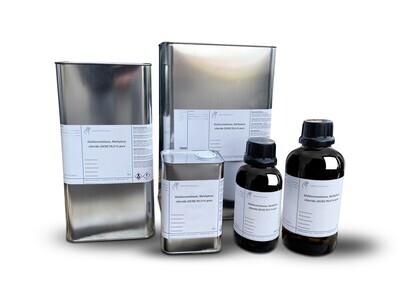
Dichloromethane 99,5+%, pure 10 Liter in metalen blik
Dichloromethane 99,5+%, pure 10 Liter in metalen blik
Only for registered companies
SKU DCM1.1.4
€ 80,32
End user declaration required
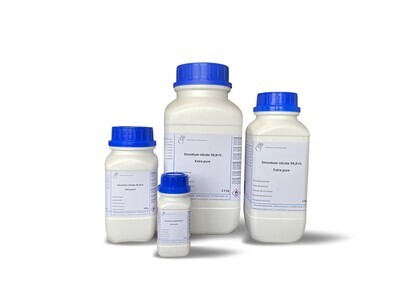
Strontium Nitrate 99.8 +% pure 25 Kilogram
Strontium Nitrate 99.8 +% pure 25 Kilogram
Only for registered companies
SKU SRNO334.4
€ 389,45
End user declaration required
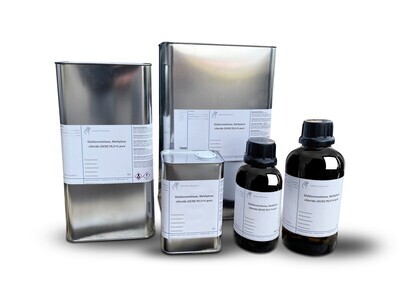
Dichloromethane 99,5+%, pure 5 Liter in metalen blik
Dichloromethane 99,5+%, pure 5 Liter in metalen blik
Only for registered companies
SKU DCM1.1.3
€ 48,69
End user declaration required
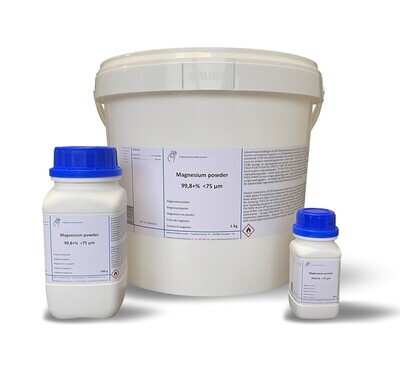
Magnesium powder 99.9%, <75 µm, Extra pure 100 gram
Magnesium powder 99.9%, <75 µm, Extra pure 100 gram
Only for registered companies
SKU MG434.1
€ 13,13
Display prices in:EUR