Verzending 24–48 u • Levering in de hele EU • Veilige chemieverpakking
Ruthenium sponge 99.95% 25 g
SKU 901695-2
€ 1 329,07
In stock
1
Save this product for later
Ruthenium sponge 99.95% 25 g
Product Details
CAS number: 7440-18-8
Cation: Ru
Packaging: 25 g
EAN: 8721028246615
Brand: Laboratoriumdiscounter
Ruthenium sponge is a highly porous and reactive form of the rare metal ruthenium, known for its exceptional catalytic properties in various chemical reactions. Its unique structure and surface area make it a valuable material in industries such as electronics, fuel cells, and pharmaceuticals. Ruthenium sponge is also used in the production of high-performance alloys and as a catalyst in the production of ammonia.
When working with Ruthenium sponge, it is important to follow certain safety instructions to ensure your well-being and prevent any accidents. Here are some short safety instructions to keep in mind: 1. Personal Protective Equipment (PPE): Always wear appropriate PPE, including gloves, safety goggles, and a lab coat or protective clothing, when handling Ruthenium sponge. This will protect your skin, eyes, and clothing from potential contact or splashes. 2. Ventilation: Work in a well-ventilated area or under a fume hood to prevent the accumulation of any harmful fumes or gases that may be released during the handling or manipulation of Ruthenium sponge. 3. Handling: Use caution when handling Ruthenium sponge, as it can be reactive and potentially hazardous. Avoid direct contact with bare skin and do not inhale any dust or particles that may be generated. 4. Storage: Store Ruthenium sponge in a secure, dry, and well-ventilated area away from any incompatible materials. Ensure proper labeling and segregation to prevent accidental mixing or contamination. 5. Fire Safety: Ruthenium sponge is highly flammable and can ignite easily. Keep it away from open flames, sparks, or any potential sources of ignition. Have appropriate fire extinguishing equipment nearby and know how to use it. 6. Emergency Procedures: Familiarize yourself with the emergency procedures specific to your workplace or laboratory. Know the location of emergency exits, eyewash stations, and safety showers in case of accidental exposure or spills. 7. Training: Only work with Ruthenium sponge if you have received proper training and are familiar with its properties, hazards, and safe handling procedures. Seek guidance from experienced personnel or supervisors if you have any doubts or questions. Remember, these are just general safety instructions, and it is essential to consult the specific safety guidelines provided by your organization or the manufacturer of the Ruthenium sponge you are working with.
Please note, not all safety data for this product is available on our website, for a complete list of P en H sentences and other safety instructions please request the MSDS at our customer service
You May Also Like
End user declaration required
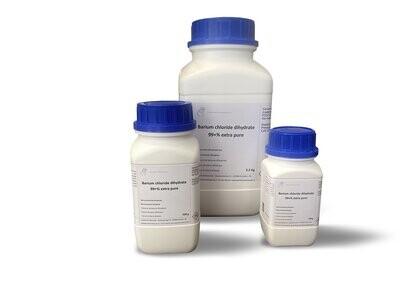
Barium chloride dihydrate 99+% extra pure 2.5 Kilogram
Barium chloride dihydrate 99+% extra pure 2.5 Kilogram
Only for registered companies
SKU BAC9345.4
€ 73,13
End user declaration required
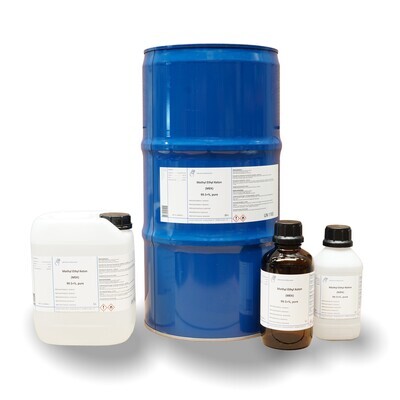
Methyl ethyl keton (MEK) 99,5+% 1 Liter HDPE fles
Methyl ethyl keton (MEK) 99,5+% 1 Liter HDPE fles
Only for registered companies
SKU ME934.1
€ 12,50
End user declaration required
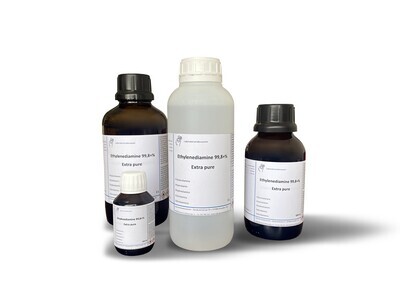
Ethylenediamine 99.8 +% Extra pure 1 Liter in glazen fles
Ethylenediamine 99.8 +% Extra pure 1 Liter in glazen fles
Only for registered companies
SKU EDA231.4
€ 22,58
Display prices in:EUR