
Verzending 24–48 u • Levering in de hele EU • Veilige chemieverpakking
Tin(II) 2-ethylhexanoate 500 g
SKU 007521
€ 243,54
In stock
1
Save this product for later
Tin(II) 2-ethylhexanoate 500 g
Product Details
CAS number: 301-10-0
Chemical formulas: Sn(OOCC7H15)2/ F.W. 405.11
Cation: Sn
Packaging: 500 g
EAN: 8721028255747
Brand: Laboratoriumdiscounter
Tin(II) 2-ethylhexanoate is a chemical compound commonly used as a catalyst in various industrial processes. It is a clear, colorless liquid with a mild odor and is highly soluble in organic solvents. This compound is known for its ability to promote the cross-linking of polymers, making it a valuable ingredient in the production of coatings, adhesives, and plastics. Tin(II) 2-ethylhexanoate is also used in the synthesis of other tin-based compounds and as a stabilizer in PVC formulations. Its unique properties make it an essential component in many manufacturing processes.
When working with Tin(II) 2-ethylhexanoate, it is important to follow proper safety precautions to minimize the risk of accidents or exposure. Here are some short safety instructions to consider: 1. Personal Protective Equipment (PPE): Always wear appropriate PPE, including gloves, safety goggles, and a lab coat or protective clothing, to protect your skin, eyes, and body from potential contact with the chemical. 2. Ventilation: Work in a well-ventilated area or use a fume hood to prevent the accumulation of vapors. Tin(II) 2-ethylhexanoate may release harmful fumes, so ensure proper airflow to minimize inhalation exposure. 3. Storage: Store the chemical in a cool, dry, and well-ventilated area away from incompatible substances. Follow the manufacturer's instructions for proper storage conditions. 4. Handling: Handle the chemical with care, avoiding any spills or splashes. Use appropriate tools and equipment to transfer or dispense the chemical safely. 5. Fire Safety: Tin(II) 2-ethylhexanoate is flammable. Keep it away from open flames, sparks, or heat sources. Have fire extinguishing equipment nearby and know how to use it. 6. First Aid: In case of accidental exposure or ingestion, seek medical attention immediately. Rinse affected areas with plenty of water and remove contaminated clothing. Do not induce vomiting unless directed by medical professionals. 7. Waste Disposal: Dispose of any waste or unused Tin(II) 2-ethylhexanoate according to local regulations and guidelines. Do not pour it down the drain or dispose of it in regular trash. 8. Emergency Procedures: Familiarize yourself with emergency procedures, including evacuation routes and the location of safety showers, eyewash stations, and fire extinguishers. Remember, these instructions are not exhaustive, and it is essential to consult the specific safety data sheet (SDS) and follow the guidelines provided by the manufacturer for comprehensive safety information.
Please note, not all safety data for this product is available on our website, for a complete list of P en H sentences and other safety instructions please request the MSDS at our customer service
You May Also Like
End user declaration required
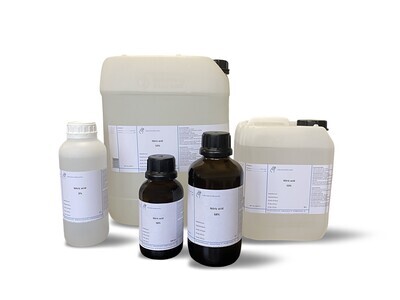
Nitric acid 68% 1 Liter
Nitric acid 68% 1 Liter
Only for registered companies
SKU 4337.8
€ 29,19
End user declaration required
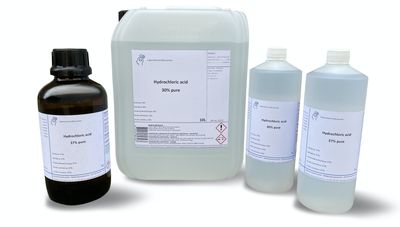
Hydrochloric acid 1 Liter HDPE fles 37% puur
Hydrochloric acid 1 Liter HDPE fles 37% puur
Only for registered companies
SKU Z0340.1
€ 14,82
Display prices in:EUR