
Verzending 24–48 u • Levering in de hele EU • Veilige chemieverpakking
Zirconium(IV) sulfate hydrate 99.99+% 10 g
SKU 903244-1
€ 336,15
In stock
1
Save this product for later
Zirconium(IV) sulfate hydrate 99.99+% 10 g
Product Details
CAS number: 34806-73-0
Chemical formulas: Zr(SO4)2 . xH2O/ F.W. 283.34
Cation: Zr
Packaging: 10 g
EAN: 8721028262400
Brand: Laboratoriumdiscounter
Zirconium(IV) sulfate hydrate is a rare and highly sought-after compound used in various industrial applications. With its unique properties, it offers exceptional stability and resistance to corrosion, making it an ideal choice for manufacturing ceramics, catalysts, and pigments. This versatile compound plays a crucial role in enhancing the performance and durability of numerous products, making it a valuable asset in the world of materials science.
When working with Zirconium(IV) sulfate hydrate, it is important to follow proper safety precautions to ensure your well-being. Here are some short safety instructions to consider: 1. Personal Protective Equipment (PPE): Always wear appropriate PPE, including gloves, safety goggles, and a lab coat or protective clothing. This will protect your skin, eyes, and clothing from potential contact with the chemical. 2. Ventilation: Work in a well-ventilated area or use a fume hood to prevent the inhalation of any fumes or dust generated during handling or mixing of Zirconium(IV) sulfate hydrate. 3. Handling and Storage: Handle the chemical with care, avoiding any spills or splashes. Store it in a tightly sealed container in a cool, dry place away from incompatible substances. 4. Avoid Ingestion and Inhalation: Never eat, drink, or smoke while working with Zirconium(IV) sulfate hydrate. Avoid inhaling the dust or mist by using appropriate respiratory protection if necessary. 5. Chemical Compatibility: Be aware of the chemical's compatibility with other substances. Avoid contact with strong oxidizers, acids, or bases, as it may result in hazardous reactions. 6. Emergency Preparedness: Familiarize yourself with the location and proper use of safety equipment, such as eyewash stations, safety showers, and fire extinguishers. In case of accidental exposure or ingestion, seek immediate medical attention. 7. Proper Disposal: Dispose of Zirconium(IV) sulfate hydrate and any contaminated materials according to local regulations and guidelines. Do not pour it down the drain or dispose of it in regular trash bins. Remember, these instructions are not exhaustive, and it is essential to consult the specific safety data sheet (SDS) and follow the guidelines provided by the manufacturer for comprehensive safety information.
Please note, not all safety data for this product is available on our website, for a complete list of P en H sentences and other safety instructions please request the MSDS at our customer service
You May Also Like
End user declaration required
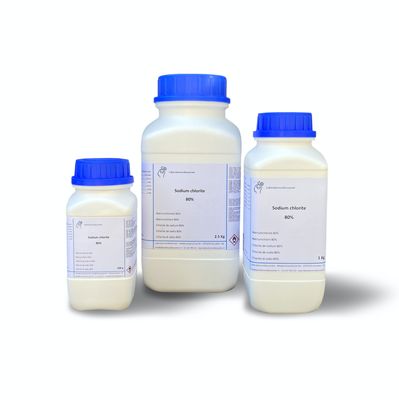
Sodium chlorite 80% 20 Kilogram
Sodium chlorite 80% 20 Kilogram
Only for registered companies
SKU 9374.2.6
€ 524,37
Sold out
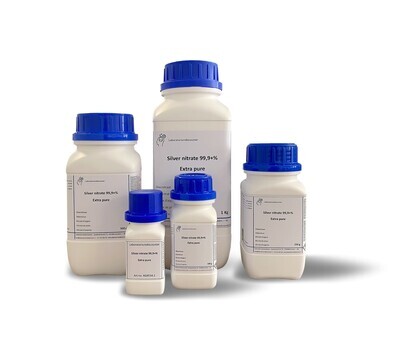
Silver nitrate 99.9 +% Extra pure 50 gram
Silver nitrate 99.9 +% Extra pure 50 gram
SKU AG4534.5
€ 84,53
Out of stock
End user declaration required
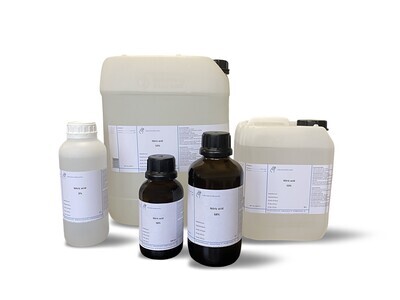
Nitric acid 68% 1 Liter
Nitric acid 68% 1 Liter
Only for registered companies
SKU 4337.8
€ 29,19
End user declaration required
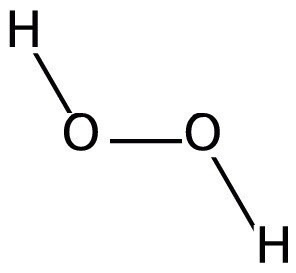
Hydrogen peroxide 35 % foodgrade 500 milliliter
Hydrogen peroxide 35 % foodgrade 500 milliliter
Only for registered companies
SKU 98934.1
€ 18,70
Display prices in:EUR