Verzending 24–48 u • Levering in de hele EU • Veilige chemieverpakking
Embedding cassettes, shapes and storage.
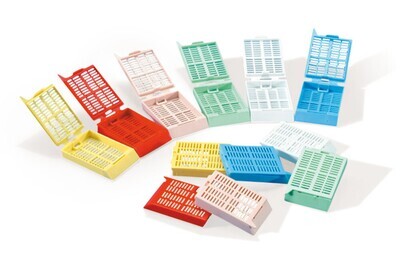
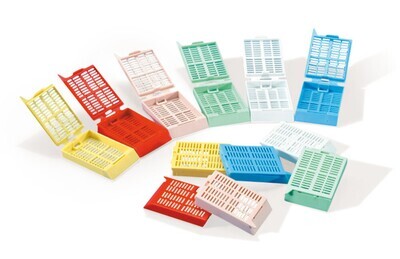
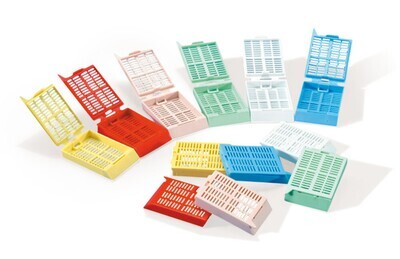
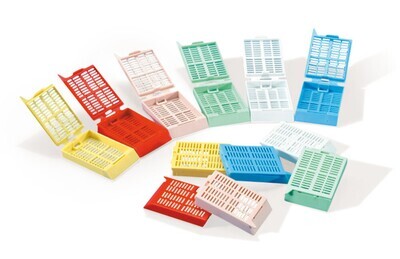
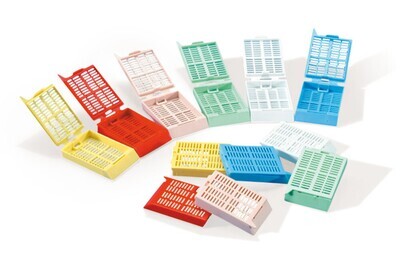
"Embedding cassettes, also called mounting molds, are essential tools in histopathology laboratories for embedding and preserving tissue samples. These special cassettes provide an organized and structured solution to prepare tissue samples for further examination and analysis.
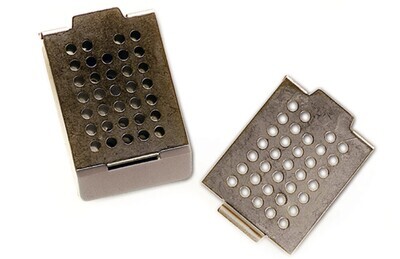
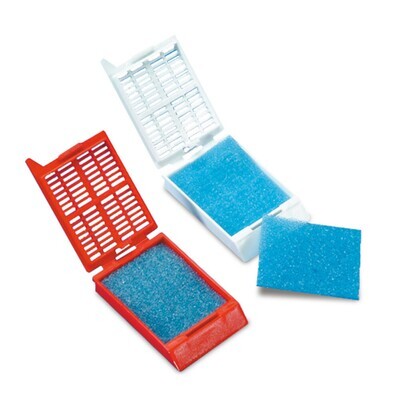
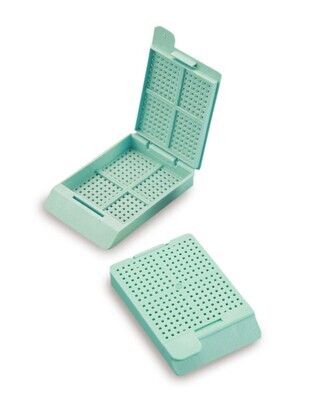
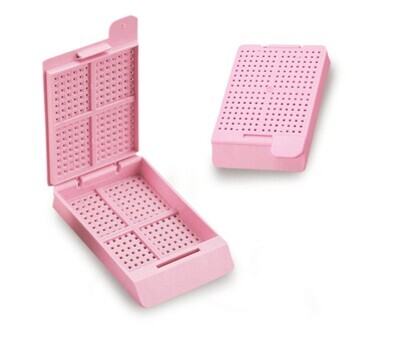
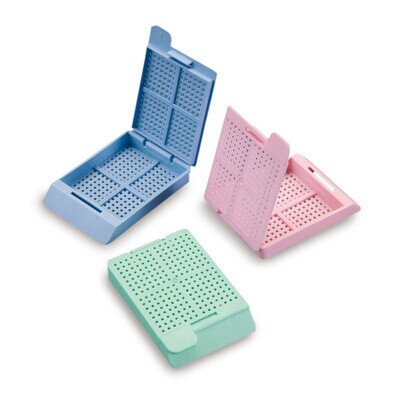
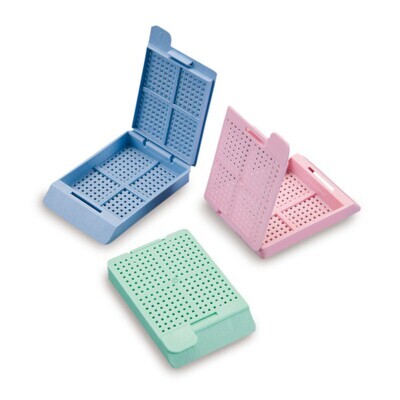
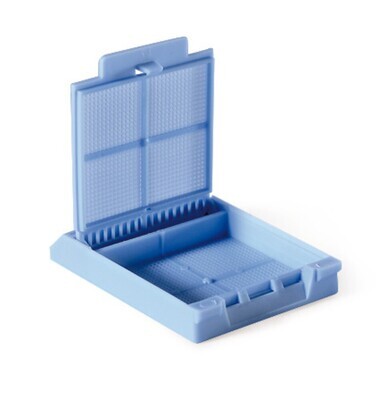
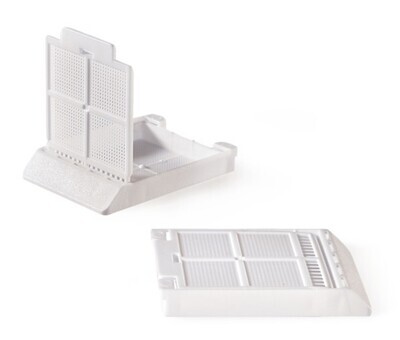
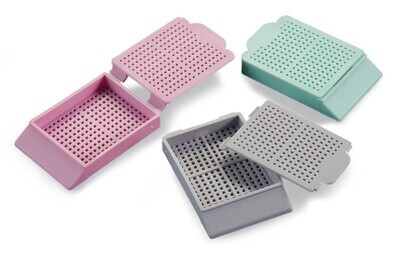
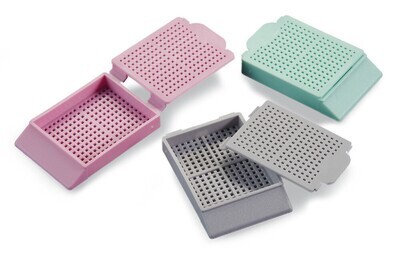
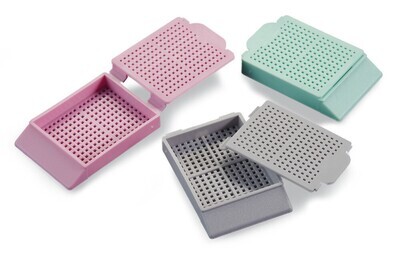
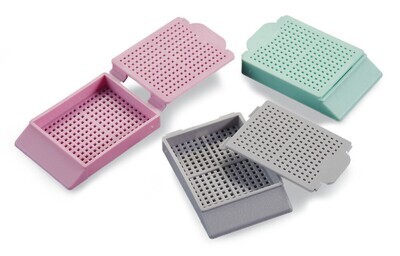
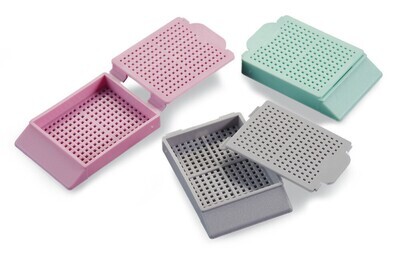
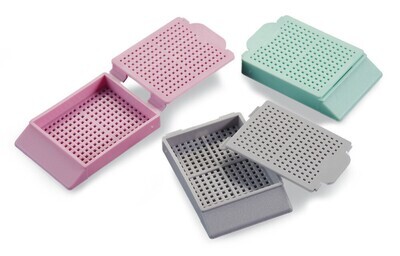
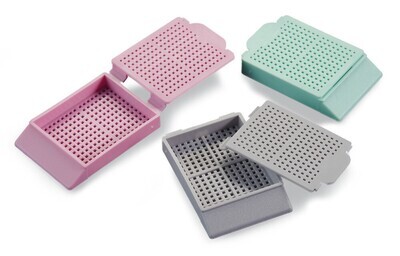
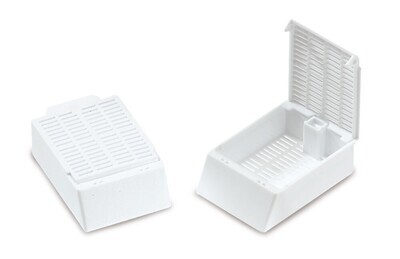
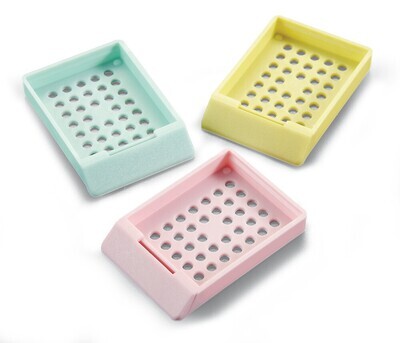
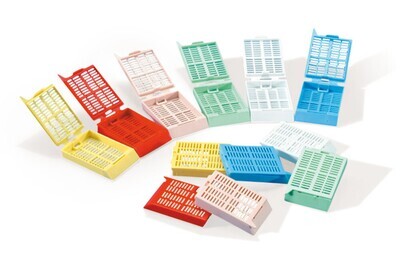
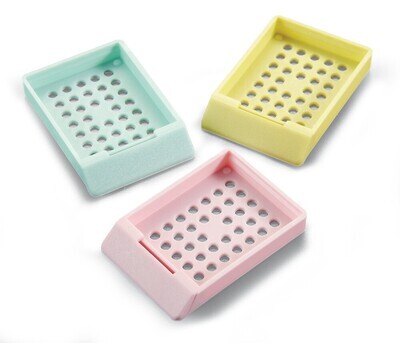
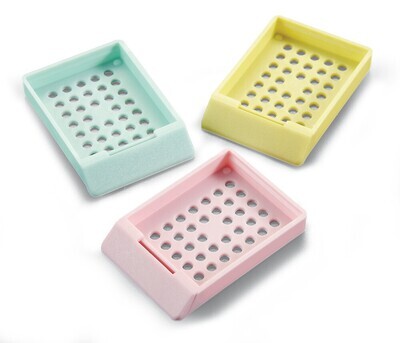
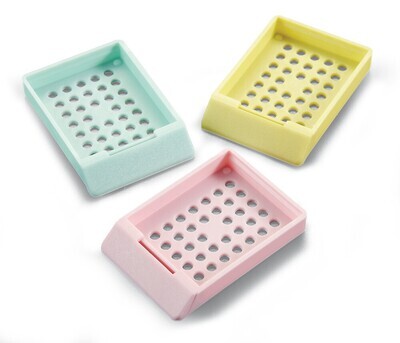
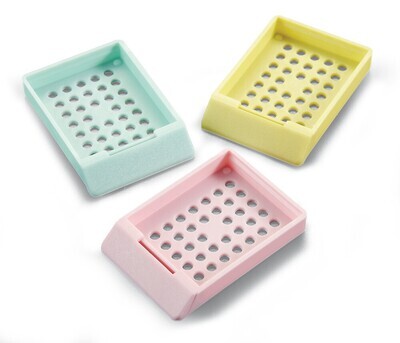
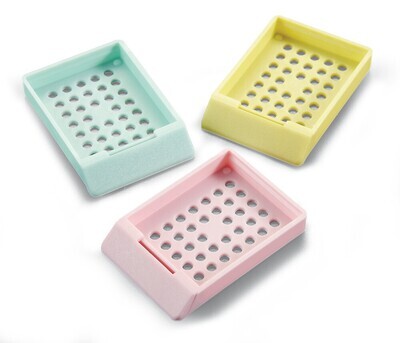
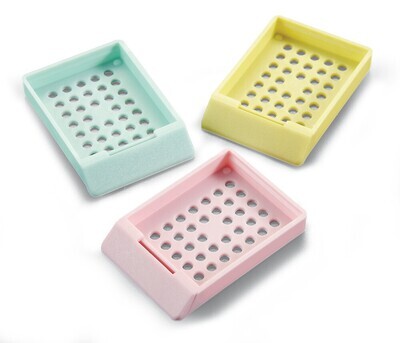
During the mounting process, the tissue sample is placed in a mounting cassette, which is usually made of plastic or other materials compatible with the histological procedures. The mounting cassette acts as a rigid container that holds the tissue sample in place and prevents it is lost or damaged during processing. The cassette often has an open top with small openings or perforations so that the tissue sample can be impregnated with paraffin or other mounting medium.
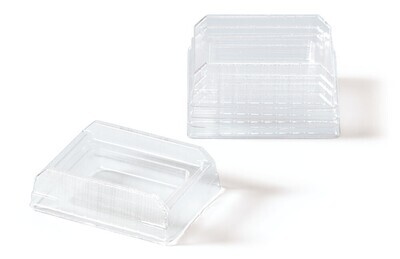
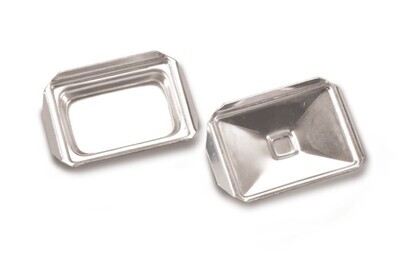
Embedding cassettes are available in different sizes and shapes , such as rectangular, square, or cylindrical, to meet the specific needs of the laboratory and tissue sample. They can also be provided with labels or markings to record and identify information about the sample, such as patient data.
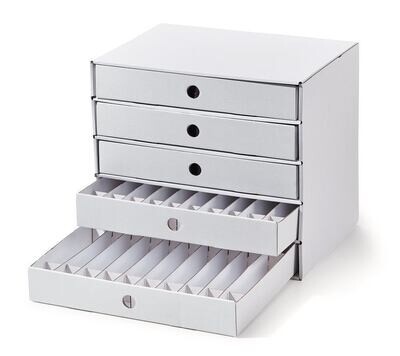
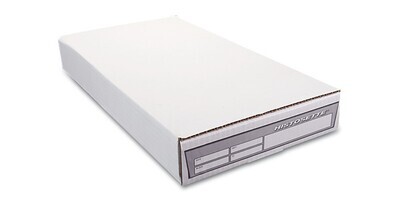
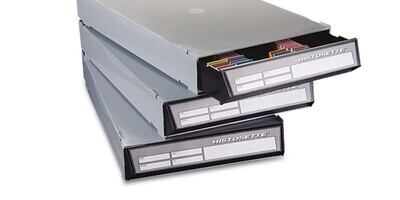
After embedding, the embedding cassettes are used to safely store the tissue samples. They are stored in special racks, drawer units or filing systems, with the samples organized and easily accessible for further processing, cutting and staining. Storing the mounting cassettes in a controlled and orderly manner is essential to maintain sample integrity and ensure an efficient laboratory workflow.
When selecting mounting cassettes, it is important to consider the compatibility with the histological procedures, such as the ability to absorb mounting medium and withstand the chemicals and temperatures used. In addition, the cassette must provide sufficient strength and stability to hold the tissue sample safely in place.
Embedding cassettes, molds and storage play an essential role in the histopathology laboratory. They provide an organized and structured way to collect tissue samples
Refine by
Display prices in:EUR