



Verzending 24–48 u • Levering in de hele EU • Veilige chemieverpakking
Measuring pipettes
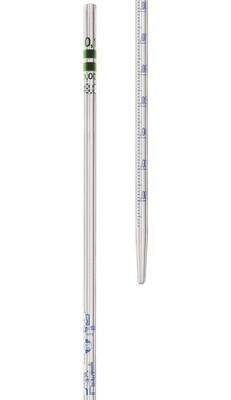
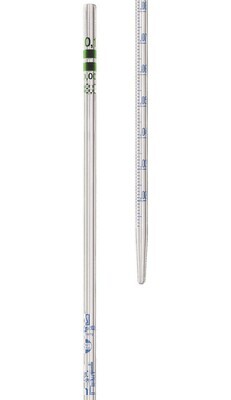
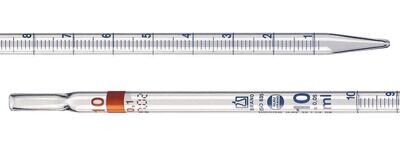
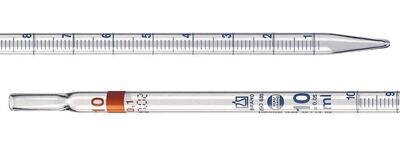
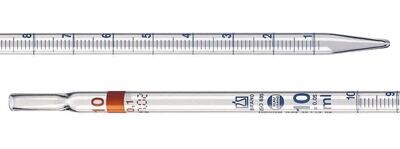
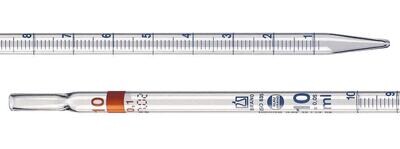
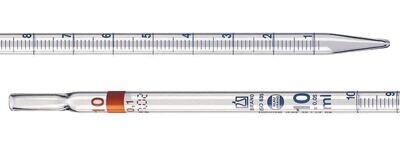
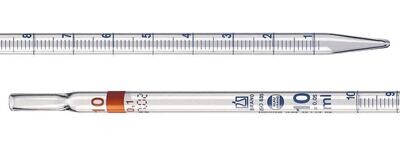
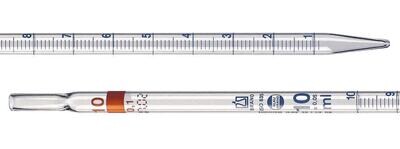
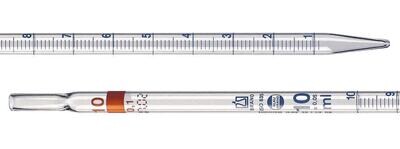
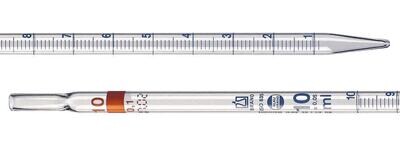
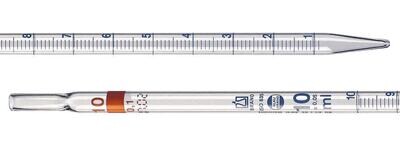
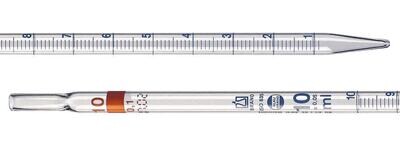
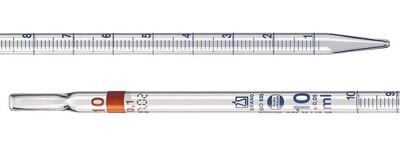
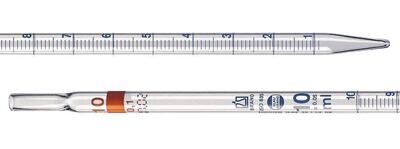
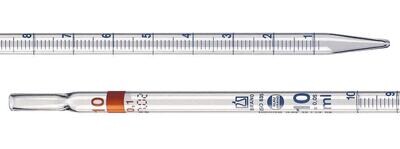
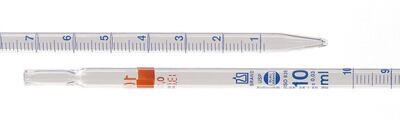
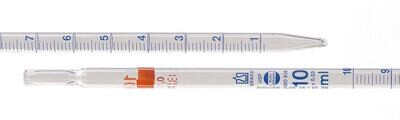
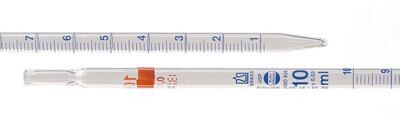
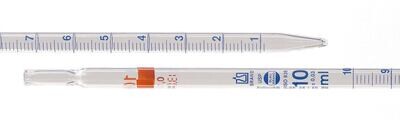
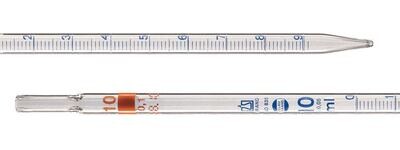
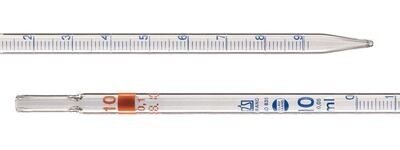
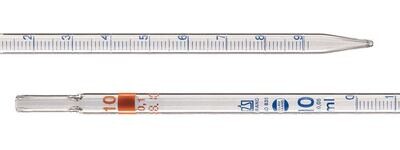
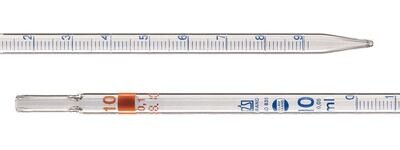
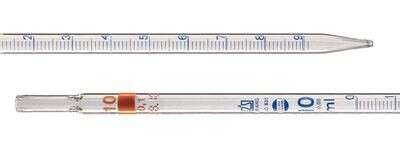
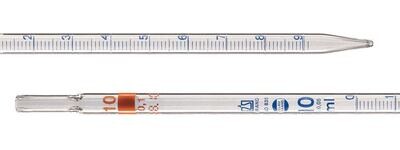
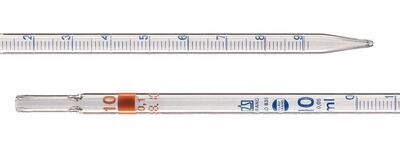
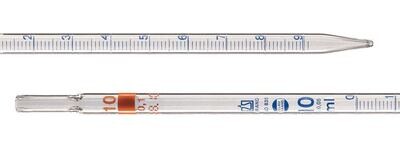
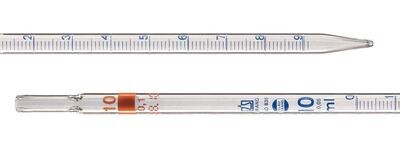
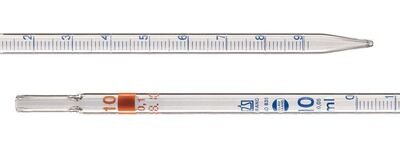
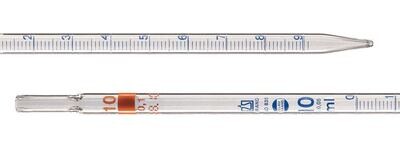
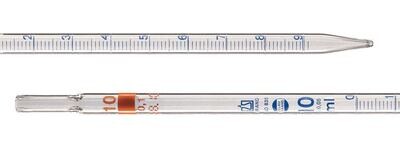
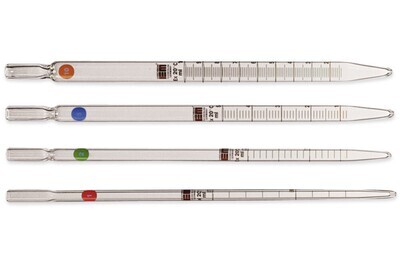
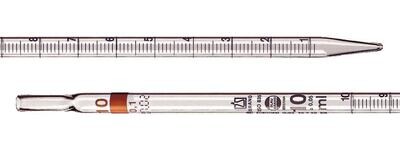
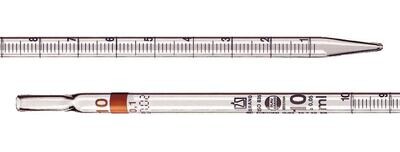
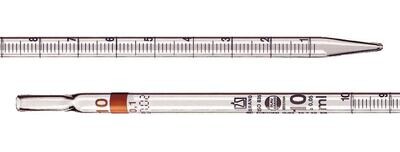
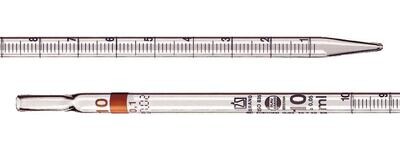
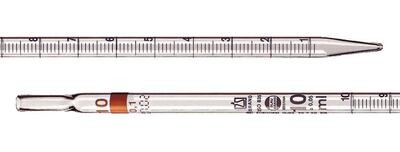
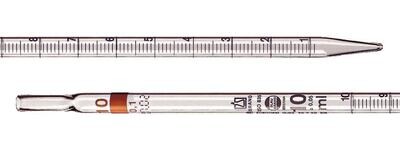
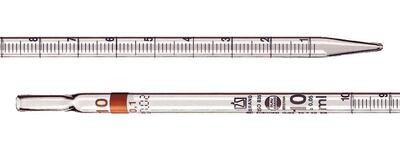
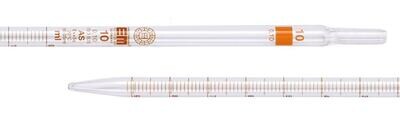
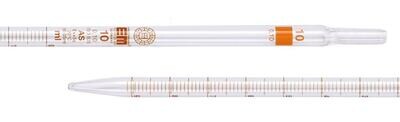
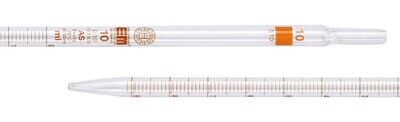
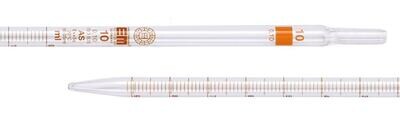
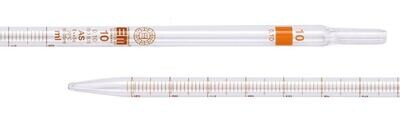
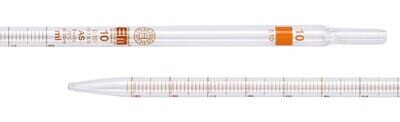
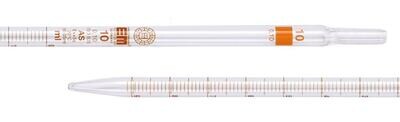
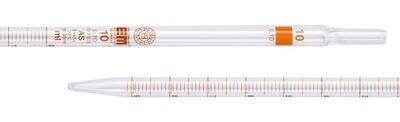
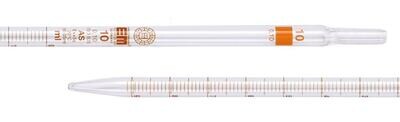
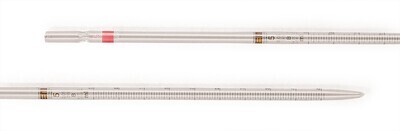
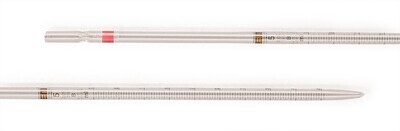
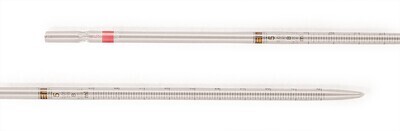
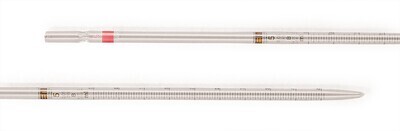
Graduated pipettes are essential instruments in laboratories and are used for accurately measuring and transferring liquids. Whether it concerns dosing chemicals, making solutions or conducting experiments, measuring pipettes are indispensable for every scientist. A measuring pipette is a long, thin glass tube with a narrow opening on one end and a rubber ball on the other. By pressing and then releasing the rubber ball, you create a vacuum that draws liquid into the pipette. By pressing the rubber ball again, you can then accurately dose the liquid and transfer it to another container. The use of measuring pipettes requires precision and accuracy. It is important to use the correct technique to ensure that the measurements are accurate. First, the pipette must be calibrated to ensure that the volumes are displayed correctly. This can be done by comparing the pipette to a calibrated graduated cylinder or other accurate measuring instrument. In addition, it is important to use the correct technique when filling and emptying the pipette. When filling, the tip of the pipette should be completely immersed in the liquid and the rubber ball should be slowly released to draw the liquid into the pipette. When emptying, the tip of the pipette should be gently touched to the wall of the container into which the liquid is being transferred, and the rubber ball should be pressed slowly to accurately dispense the liquid. Measuring pipettes are available in different sizes, ranging from 1 ml to 100 ml. It is important to choose the right size pipette for the specific application. Too large a pipette can lead to inaccurate measurements, while too small a pipette can make it difficult to transfer the desired amount of liquid. In addition to the traditional glass measuring pipettes, plastic measuring pipettes are also available. These are often disposable and can be useful in situations where sterility is important or when working with hazardous substances. In short, measuring pipettes are indispensable instruments in laboratories for accurately measuring and transferring liquids. By using the right technique and choosing the right size pipette, scientists can ensure that their measurements are accurate and their experiments are successful. Whether you are a laboratory novice or an experienced researcher, a good measuring pipette is an essential tool that should not be missing in your equipment.
Refine by
Display prices in:EUR