Verzending 24–48 u • Levering in de hele EU • Veilige chemieverpakking
Burette glass
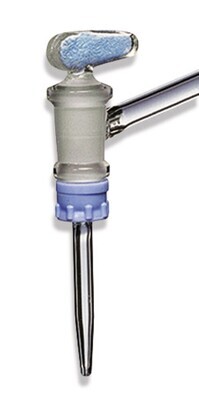
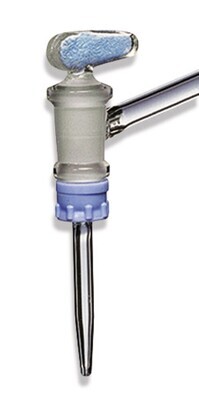
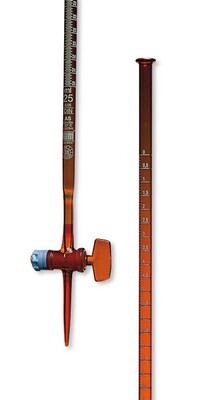
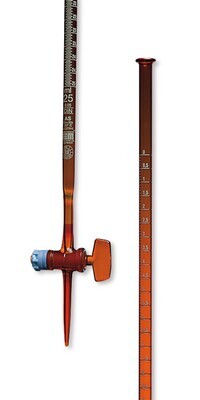
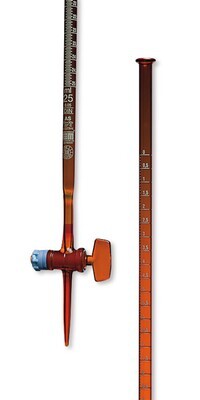
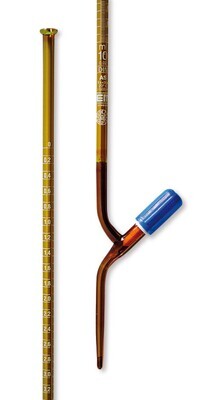
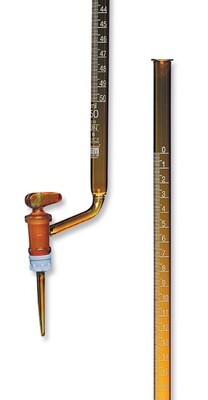
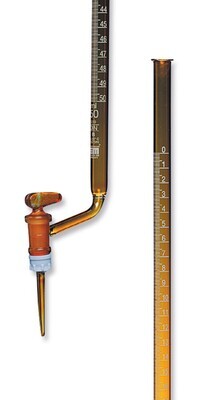
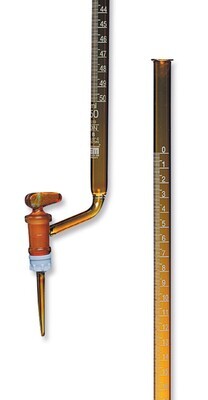
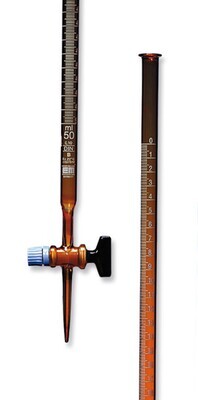
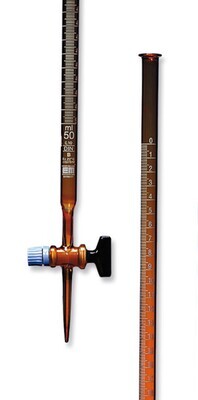
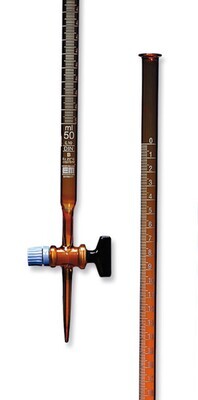
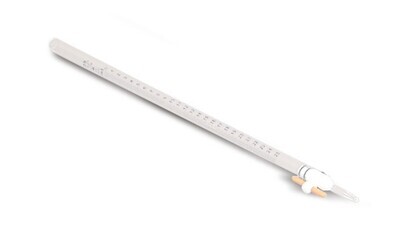
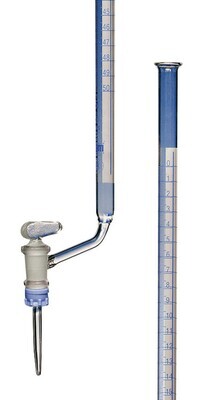
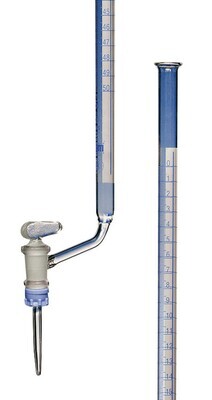
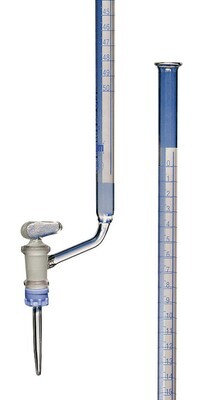
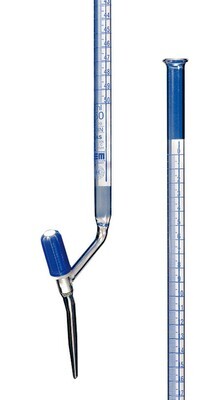
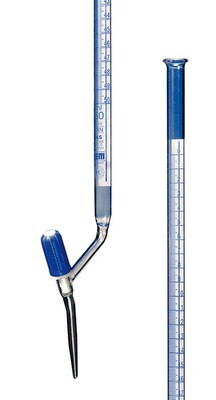
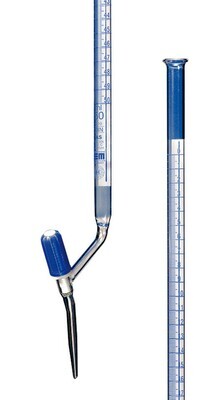
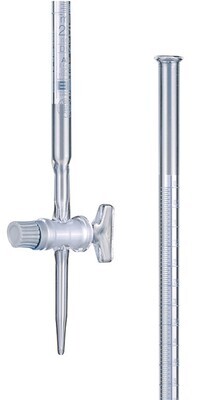
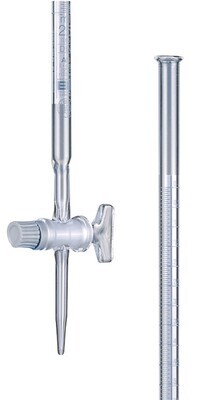
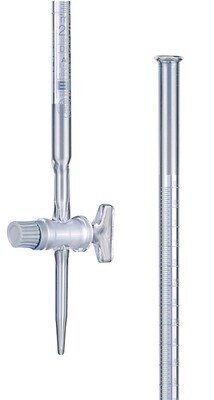
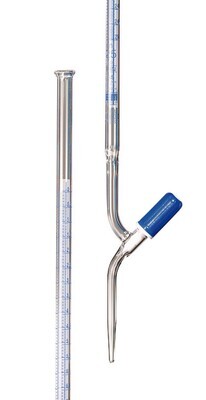
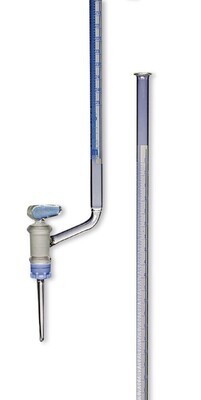
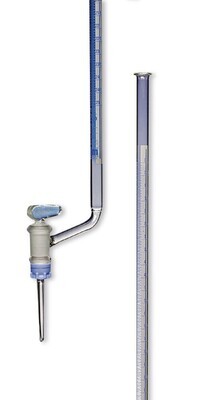
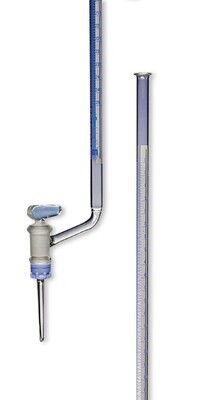
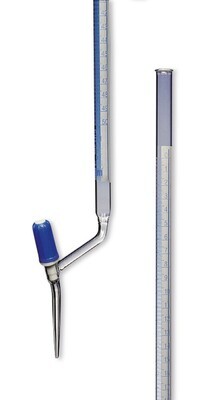
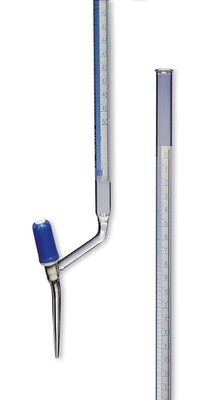
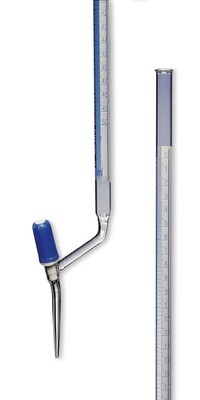
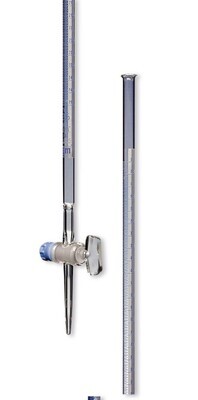
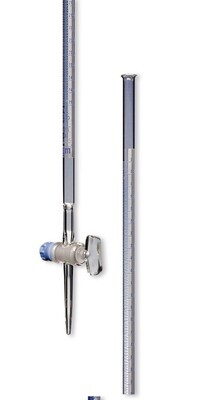
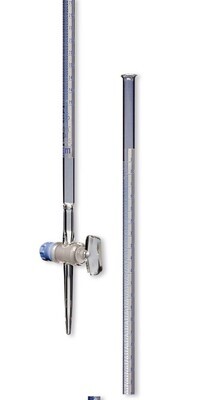
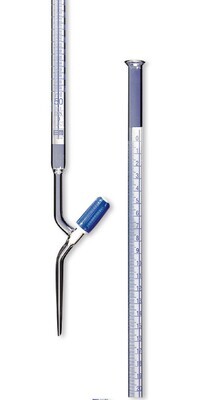
Glass burettes are an essential part of laboratory equipment. They are used to accurately measure and dose liquids. The use of high-quality glass burettes is of great importance for the reliability and precision of experiments and analyzes in laboratories. A glass burette consists of a glass tube with a tap at the bottom and a scale on the side. The tap can be opened and closed to regulate the flow of liquid, while the scale allows the user to accurately read the amount of liquid being dispensed. This makes it possible to add very small amounts of liquid, which is crucial when performing sensitive experiments. Using glass as a material for burettes has several advantages. First, glass is chemically inert, meaning it does not react with the liquids that flow through it. This ensures that the purity of the liquid is maintained and prevents contamination of the sample. In addition, glass is transparent, allowing the user to clearly see the liquid flow and graduation, which improves the accuracy of measurements. When choosing a glass burette, it is important to take several factors into account. First, the burette must be suitable for the type of liquid used. For example, some liquids can be corrosive and require a burette made of special glass that is resistant to chemical attack. In addition, the burette must have a suitable scale so that the user can accurately read the desired amount of liquid. The accuracy and precision of the tap are also important, as it controls the flow of fluid. The maintenance of glass burettes is also very important to ensure their longevity and functionality. After use, burettes should be thoroughly cleaned to remove any residual liquids and prevent contamination. It is also important to regularly check the burettes for any damage, such as cracks or leaks, and replace them if necessary. In short, glass burettes are indispensable in laboratories for accurately measuring and dosing liquids. The use of high-quality glass burettes ensures reliable and precise results in experiments and analyses. By considering factors such as fluid type, scale and tap accuracy, and performing regular maintenance, laboratories can take full advantage of the benefits of glass burettes.
Refine by
Display prices in:EUR